Caregivers of neurodivergent children, youth, and adults are often managing appointments, school communication, funding requirements, work, siblings, household responsibilities, and the emotional weight of advocating within complex systems. Caregiver coaching should not become one more demand. Done well, it helps families understand patterns, choose realistic priorities, and use practical supports that fit daily life. Coaching …
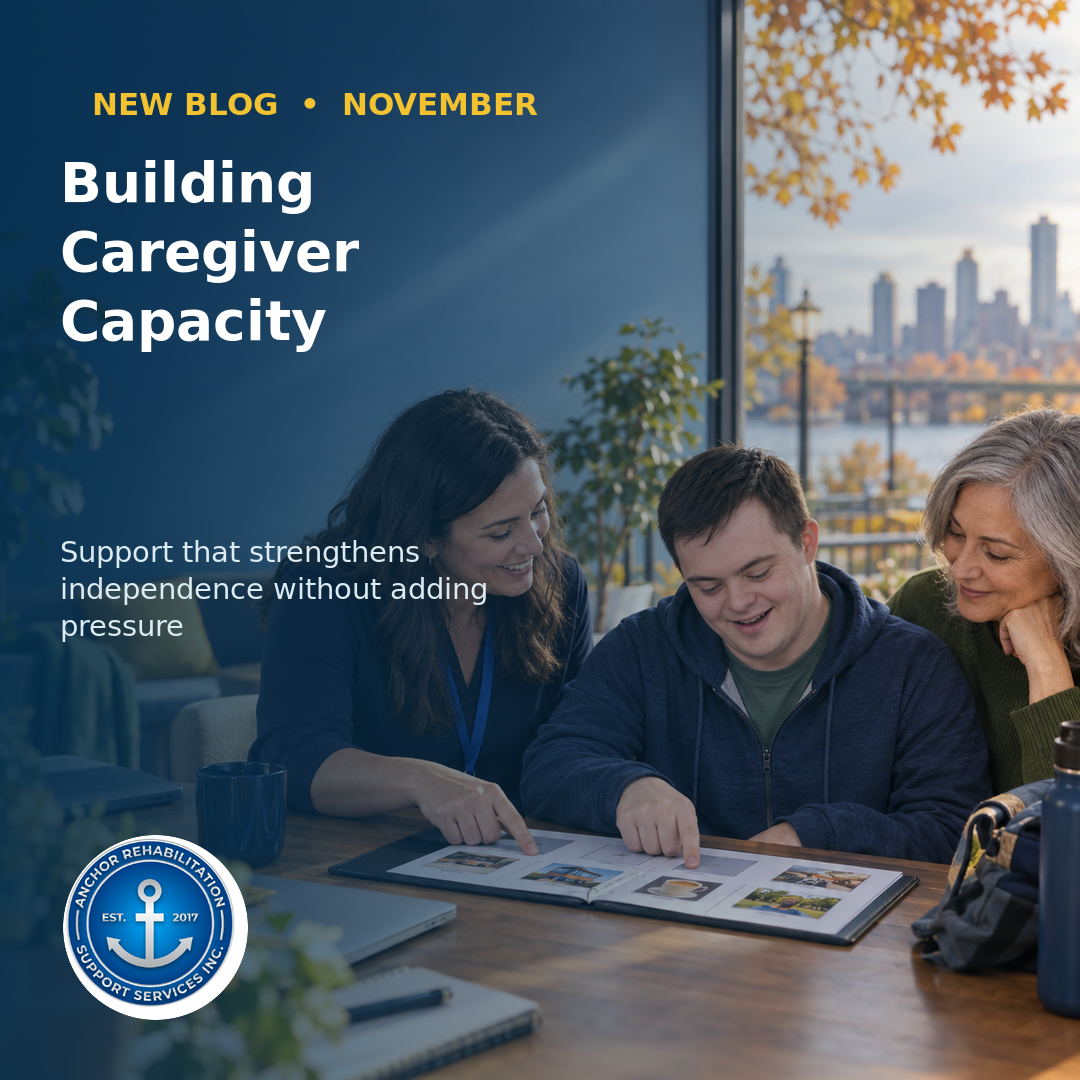
Caregivers of neurodivergent children, youth, and adults are often managing appointments, school communication, funding requirements, work, siblings, household responsibilities, and the emotional weight of advocating within complex systems.
Caregiver coaching should not become one more demand. Done well, it helps families understand patterns, choose realistic priorities, and use practical supports that fit daily life.
Coaching is collaboration, not correction
Families know the individual’s history, preferences, communication, and routines in ways no outside professional can. A respectful coaching relationship begins by listening. What is going well? What is hardest? Which situations matter most to the person and family? What can realistically change right now?
The goal is not to make a household look like a clinic. It is to build shared understanding and strategies that are sustainable in the environments where they will be used.
What practical coaching may include
Depending on the individual’s goals, coaching may help caregivers and support teams:
- identify what happens before and after a challenging situation;
- recognize communication, sensory, medical, environmental, or task-related factors;
- make routines clearer and more predictable;
- break complex skills into manageable steps;
- use prompts and reinforcement intentionally;
- support emotional regulation and coping;
- prepare for transitions or changes;
- encourage independence without removing needed support; and
- track a small amount of useful information without creating excessive paperwork.
Strategies should be individualized. A visual schedule may be useful for one person and frustrating for another. A quiet break may support regulation in one situation but function as avoidance in another. Assessment, observation, and ongoing review help the team understand what a strategy is actually accomplishing.
Capacity building is broader than behaviour reduction
Families often seek help because a behaviour is affecting safety, participation, or quality of life. Addressing risk can be important, but effective support also asks what skill, accommodation, communication method, or environmental change could make the situation easier.
Meaningful goals may include requesting a break, completing part of a self-care routine, tolerating a necessary transition, participating in a community activity, preparing a snack, using transportation, or communicating discomfort. Progress should expand the person’s autonomy and access—not simply increase compliance.
Supporting the wider team
Caregiver coaching is most effective when other important people understand the plan. Schools, respite teams, developmental service agencies, Children’s Aid Societies, and community providers may all be involved. With appropriate consent, aligned communication reduces conflicting expectations and helps everyone respond more consistently.
Anchor’s Registered Behaviour Analysts develop individualized, evidence-informed plans and collaborate with direct-support staff who help implement skills in home and community environments. This connection allows real-world observations to inform clinical review.
Making the plan sustainable
A plan that requires perfect consistency, extensive materials, or constant data collection may not survive a demanding week. Sustainable plans identify the smallest changes likely to make the greatest difference. They also define what to do when the strategy does not work.
Caregiver well-being matters. Capacity building includes recognizing limits, selecting priorities, and connecting families with the right level of support. It should create more clarity and confidence—not guilt.
When caregiver coaching may help
Consider a referral when routines regularly lead to distress or escalation; caregivers receive conflicting advice; skills are not transferring beyond structured sessions; a transition is approaching; independence or community participation is a priority; or the family needs an individualized plan that can be implemented across settings.
Discuss community-based neurodiversity services
Anchor supports neurodivergent children, youth, adults, and their care teams across Ontario through individualized behavioural consultation, skill development, caregiver coaching, and community-based implementation.
Discuss a referral: https://tinyurl.com/AnchorFreeConsult.